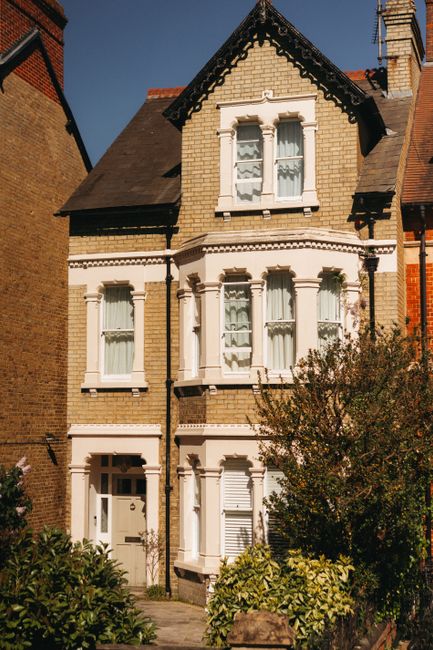
House removals Abbeville Village Clapham small home specialists: a practical guide for smaller moves
If you are moving a studio, one-bedroom flat, or compact family home in Abbeville Village, Clapham, you do not need a big, clumsy removal setup to get the job done well. In fact, for many moves, the smartest choice is a team that understands House removals Abbeville Village Clapham small home specialists work: quick to organise, careful with access, and sized appropriately for tight streets, stairwells, and the usual London moving-day curveballs. Let's face it, not every move needs a giant lorry and a ten-person crew.
This guide explains how small-home removals work, why they matter locally, and what to look for if you want the move to feel orderly rather than chaotic. You will also find a practical checklist, a comparison table, real-world moving advice, and a few things people often miss until the last minute. That last bit matters more than you might think.
Why House removals Abbeville Village Clapham small home specialists Matters
Abbeville Village has its own rhythm. Streets can be busy, parking can be tight, and access is often a bigger issue than the number of boxes. For smaller homes, the challenge is rarely raw volume. It is coordination. A few bulky items, a narrow staircase, or a flat with no lift can turn a simple move into an all-day puzzle if the team is not used to that sort of work.
That is why a specialist approach matters. A small-home removal service is built around efficiency, not excess. The van is matched to the job. The loading plan is cleaner. The crew knows how to move furniture without dragging half the contents of a room into the hallway first. Small details, yes, but they save time and reduce the chances of a scuffed wall or a cracked mirror.
There is also a budgeting angle. Paying for capacity you do not need can be wasteful, and underestimating the move can be even worse. If you choose a provider that understands compact household moves, you are more likely to get sensible timing, better route planning, and a smoother experience overall. To be fair, that is what most people want: not drama, just a move that lands nicely.
For many readers, the best fit sits somewhere between a standard full-house move and a simple courier-style van job. That middle ground is where a flexible provider such as man with a van or a tailored removal van option can work especially well.
How House removals Abbeville Village Clapham small home specialists Works
Most small-home removals follow the same broad pattern, though the details depend on the property, access, and how much packing you have already done. The best operators start by understanding the real shape of the move rather than guessing from postcode and room count alone. That sounds obvious, but plenty of people skip it.
First comes an assessment. This may be done from your description, photos, or a short call. The mover will usually ask about stairs, lifts, parking, awkward furniture, and anything fragile or unusually heavy. If you have a sofa that only fits through the window in theory, say so early. Do not leave it until moving morning. Nobody enjoys that surprise.
Then comes planning. This is where small-home specialists earn their keep. They decide what size van is sensible, whether one or two crew members are enough, how long the loading should take, and whether items need disassembly. If you are moving within Clapham or nearby, they may also factor in local traffic patterns, school-run pressure, and the simple fact that parking enforcement can make timing feel tighter than it looked on paper.
On the day, the crew typically arrives with protective blankets, straps, and the basic lifting kit needed to keep items secure. Good teams load in a sequence that protects the fragile pieces first and the awkward pieces last, then unload in a way that places boxes and furniture into the correct rooms rather than creating a single heap in the entrance hall. That part is underrated. Very underrated.
If packing support is needed, you can often pair the move with packing and boxes or full packing and unpacking services, which is often a smart call for busy tenants, professionals, or anyone moving after a long week. Moving on very little sleep is, frankly, a bad hobby.
Key Benefits and Practical Advantages
The main benefit of using a small-home specialist is simple: the move fits the property, not the other way round. But there are several knock-on advantages that people notice quickly.
- Better handling of access issues: small flats, narrow hallways, basement rooms, and stair-only access are handled with more care and less fuss.
- More suitable vehicle sizing: you are less likely to pay for excess space or struggle with a van that is too small.
- Faster loading and unloading: a lighter, tighter move is usually easier to organise when the team is experienced with compact homes.
- Less disruption to neighbours: especially useful in shared buildings where noise and block access matter.
- Reduced risk of damage: when movers are used to tight turns, they tend to protect corners, banisters, and furniture more effectively.
There is also peace of mind. A specialist team tends to think in terms of movement, not just transport. They notice the little things: the lamp that needs wrapping, the bookcase that should be emptied before carrying, the washing machine hose that should be disconnected early rather than at the kerbside. It sounds fussy. It is actually just good practice.
If you need broader moving support beyond the home itself, it can help to look at the wider home moves offering or the more detailed house removals service page for what a full move package can include.
Who This Is For and When It Makes Sense
This kind of move is a strong fit for people whose homes are small but whose belongings still need proper care. That includes a lot of real-life situations.
You may need a small-home specialist if you are:
- moving from a studio or one-bedroom flat
- downsizing after a long tenancy or lifestyle change
- relocating from a top-floor flat with limited access
- moving part of a household, not the whole house
- moving furniture only, or a few bulky items alongside boxes
- leaving Clapham for somewhere nearby and want a quick, tidy job
It also makes sense if you have one or two awkward items that can dominate the move. A small piano, a heavy wardrobe, or even just a sofa bed can change the tone of the day. If that sounds familiar, it may be worth checking whether the mover also handles furniture removals or more specialist piano removals.
For students, short-lease tenants, and people moving between compact rentals, the whole process often benefits from the lighter-touch approach found in student removals or flexible same-day scheduling where needed. Not every move is planned months ahead, and honestly, most of the good ones are not.
Step-by-Step Guidance
If you want the move to feel manageable, work through it in stages. The best small moves are rarely the ones with the fanciest equipment; they are the ones where the basics were done properly.
- Take a room-by-room inventory. Write down the large items, fragile pieces, and anything that needs dismantling. This helps the crew estimate space and time.
- Check access carefully. Measure doorways, note stairs, and think about parking. In Abbeville Village, parking can be the bit that bites you if you ignore it.
- Book the right type of vehicle. A van that is too large can be awkward; one that is too small creates extra trips. Balance matters.
- Pack by priority. Essentials in one group, fragile items in another, and seasonal or low-use items last.
- Label everything clearly. Room names are more useful than vague labels like "misc". It sounds obvious, but "misc" is a trap.
- Prepare furniture in advance. Empty drawers, remove loose shelves, and disconnect appliances before the crew arrives where possible.
- Confirm timing and contact details. Keep your phone charged. Moving day has a habit of generating one tiny question every eleven minutes.
- Do a final walk-through. Check cupboards, loft areas, windowsills, and behind doors. The missing kettle always turns up there, somehow.
If you are unsure how much help you need, a quick look at removal services can help you understand the usual service mix, while removals gives a broader view of what a complete moving job can include.
Expert Tips for Better Results
Here are the small things that make a real difference. They are not glamorous, but they save stress.
- Keep one box as an essentials kit. Tea bags, chargers, toilet paper, snacks, and keys. You will thank yourself by midday.
- Photograph cable setups. That saves time later, especially for TVs, routers, and desk equipment.
- Wrap items before the rush starts. The last twenty minutes before the van arrives are not the time to find bubble wrap.
- Tell the mover about the awkward stuff first. The tall mirror, the antique chest, the garden bike. Order matters.
- Use soft items as protection. Blankets, towels, and bedding can help cushion lighter pieces during the move.
- Allow a buffer for parking or lift delays. A ten-minute buffer can prevent a domino effect of late loading and unnecessary rushing.
There is another practical tip that people overlook: if your new place is not ready at the exact same time, temporary storage can be a lifesaver. It is not exciting, but it can save a whole day from going sideways.
And yes, one more: if you are moving from a flat with a shared entrance, let neighbours know. A small bit of courtesy often makes the whole day feel calmer. That's just life in London, really.
Common Mistakes to Avoid
Small moves often fail for surprisingly ordinary reasons. The good news is that most of them are preventable.
- Underestimating access problems: a short walk from the van to the door can become a long one if parking is poor.
- Leaving packing too late: last-minute packing increases breakages and slows the loading process.
- Not checking what is included: some jobs may cover loading and transport, while others include packing or furniture handling too.
- Forgetting about bulky items: one heavy wardrobe can change the whole move plan.
- Assuming all vans are equal: the wrong vehicle can make the job more stressful than necessary.
- Failing to read the small print: terms, payment details, and insurance coverage all matter, even on a straightforward move.
To be fair, most people only make these mistakes once. Still, if this is your first move in a while, it helps to slow down and check the basics. A tidy plan beats a heroic scramble every time.
Tools, Resources and Recommendations
You do not need a warehouse of equipment to manage a small home move well. A few good tools go a long way.
| Item | Why it helps | Best used for |
|---|---|---|
| Strong boxes | Keep books, kitchen items, and mixed belongings organised | General packing |
| Wardrobe cartons or rail boxes | Protect hanging clothes and reduce ironing later | Bedrooms and clothing |
| Bubble wrap or paper wrap | Cushions glass, frames, and delicate decor | Fragile items |
| Furniture blankets | Reduces scratches and knocks during transit | Sofas, tables, cabinets |
| Marker pens and labels | Makes unpacking faster and less confusing | Box identification |
If you want the move handled as a combined task, you can also review packing and boxes and packing and unpacking services. Those services tend to suit people who are time-poor, physically strained, or simply done with wrestling tape at 11pm.
For one-off furniture disposal or moving old pieces out of the way before a new setup, furniture pick up can be relevant, especially where the move involves clearing space rather than just transporting everything to a new address.
Law, Compliance, Standards, or Best Practice
Any removals business operating in the UK should take safety, insurance, and customer care seriously. You do not need a legal lecture here, but you do want reassurance that a mover handles belongings responsibly and follows sensible professional practice.
At a practical level, that means proper lifting methods, suitable vehicle loading, reasonable care with fragile goods, and clear communication about what is included. Insurance matters too. If a provider says they are insured, that should mean something concrete in plain English, not just a reassuring phrase on a page.
It is also worth checking the company's approach to payment security, privacy, and complaints handling. Those are not just admin pages. They tell you whether the business has thought about the full customer journey. Useful pages to review include insurance and safety, payment and security, and the company's terms and conditions.
On the environmental side, many customers now prefer movers who think about reuse and responsible disposal. If that matters to you, the recycling and sustainability approach can be a useful deciding factor, especially during partial clear-outs or furniture replacement.
Best practice is simple: be transparent, protect the property, protect the goods, and communicate clearly. That is the baseline. Anything above that is a bonus, not a given.
Options, Methods, or Comparison Table
Different move types suit different people. If you are comparing options, this simple table can help.
| Option | Best for | Main advantage | Possible limitation |
|---|---|---|---|
| Small-home specialist move | Studios, one-bed flats, compact homes | Balanced cost, access-aware planning | May not suit very large households |
| Man and van | Light to moderate loads, quick local moves | Flexible and practical | May offer fewer hands for heavy lifting |
| Full house removal team | Larger or more complex moves | More capacity and labour | Can be more than needed for a small home |
| Removal van hire only | DIY movers with transport sorted | Control over the process | You do the loading and lifting |
If your situation sits somewhere in the middle, that is very common. A good moving company can often tailor the job rather than forcing you into a rigid package. If the load is small but the access is awkward, a flexible man and van setup may be exactly right. If the load is slightly heavier or includes more specialist handling, a broader removal companies approach can make more sense.
Case Study or Real-World Example
Here is a realistic example. A tenant in a second-floor flat near Abbeville Village is moving to a one-bedroom place a few streets away. The load is modest: a bed, two side tables, a sofa, a dining table, six boxes of books, and the usual pile of kitchen gear. Nothing outrageous. But the building has narrow stairs, parking is tight, and there is no lift. The tenant also works late and does not want the move dragging into evening.
Instead of booking a large crew, they use a small-home focused removals setup. The mover checks access in advance, suggests the right van size, and advises which items should be dismantled before arrival. The tenant packs the smaller items into labelled boxes, leaves the wardrobes empty, and keeps an essentials bag separate. On the day, loading is tidy. No frantic back-and-forth. No guessing where the lamp base ended up. The move finishes faster than expected, and the new flat is set up enough to sleep in that night.
That is the quiet benefit of a specialist approach: fewer decisions under pressure. Less noise. Fewer unexpected costs. And, usually, a much calmer first evening in the new place. Which, after a move, feels surprisingly luxurious.
Practical Checklist
Use this checklist in the final few days before moving. It is simple, but it catches the important stuff.
- Confirm the moving date and arrival window.
- Check parking and building access at both addresses.
- Measure large furniture and awkward doorways.
- Pack fragile items separately and label them clearly.
- Set aside documents, keys, chargers, and medications.
- Empty drawers, shelves, and appliances where needed.
- Protect floors and corners if the building requires it.
- Tell the mover about stairs, lifts, or restricted access.
- Keep valuables with you rather than in the van.
- Do one final sweep of cupboards, under beds, and behind doors.
Expert summary: The smoothest small-home move is usually the one with the clearest access plan, the right-sized vehicle, and no last-minute packing panic. Simple, but true.
Get a free quote today and see how much you can save.
Conclusion
Small-home removals in Abbeville Village and Clapham work best when the service fits the property, the access, and the pace of the move. That is what specialist support is really about. Not bells and whistles. Just the right amount of planning, the right vehicle, and the right people handling the job with care.
If you are moving a compact home, do not let the size of the space fool you into thinking the move will be simple by default. The space may be smaller, but the details still matter. A careful plan, clear communication, and a crew that understands local conditions can make all the difference.
When a move feels organised, the day becomes easier to live through. And after the last box is inside, you can actually breathe for a minute, put the kettle on, and feel settled a bit sooner than expected. That part is worth aiming for.
Frequently Asked Questions
What does a small-home removals specialist actually do?
A small-home removals specialist handles compact moves such as studios, one-bedroom flats, and small houses with an emphasis on access, efficiency, and appropriate vehicle sizing. The job is tailored to the space and the amount of furniture, rather than using a one-size-fits-all approach.
Is a man and van service enough for a flat move in Abbeville Village?
Often, yes. If the load is moderate and access is straightforward, a man with van or similar service can be ideal. If you have several large items or more complex access, you may need a fuller removals setup.
How far in advance should I book a small house removal?
As early as you can, especially if you want a specific day or time. That said, smaller moves can sometimes be arranged more quickly than larger ones, and same-day options may be available in some situations through same-day removals.
What if my flat has stairs and no lift?
Tell the mover before booking. Stairs are normal in London, but they affect timing, manpower, and vehicle choice. A good small-home specialist will plan around them rather than treating them like a surprise.
Can I move just furniture without moving everything else?
Yes. Many people book partial moves for sofa delivery, bed transport, or clearing out a few bulky pieces. In that case, furniture removals or furniture pick up may be the better fit.
Do I need packing services, or can I do it myself?
You can absolutely pack yourself if you have the time and materials. Packing services are useful if you are busy, short on help, or moving fragile items. Many people choose a mixed approach: they pack clothing and books themselves, then leave delicate items to the movers.
How do I know which van size I need?
The safest answer is to describe your furniture and boxes in detail rather than guessing. Van size depends on the mix of items, access, and whether anything needs dismantling. A small move can still need more space than it first appears to.
What should I ask a removal company before booking?
Ask what is included, whether they are insured, how they handle stairs and parking, whether packing is available, and how payment works. It is also wise to check terms and safety details through insurance and safety and payment and security.
Is storage useful during a small home move?
Yes, especially if your new home is not ready yet or you are reducing what you take with you. Temporary storage can prevent delays from turning into stress. It is one of those boring solutions that turns out to be brilliant.
What if I need to dispose of old furniture during the move?
That depends on the service you book and the condition of the furniture. Some customers arrange a separate furniture removal or clearance step, while others keep the items in the move. If you need the old pieces collected, look at furniture removals for the most relevant option.
How can I make moving day less stressful?
Pack early, label boxes clearly, confirm access, keep essentials with you, and choose a mover who understands small properties and local conditions. A calm plan beats a rushed one every time. A cup of tea helps too, obviously.
Are there any documents I should check before moving?
Yes. Review your booking details, payment terms, and any service conditions. If you want reassurance about business practices, company information pages such as about us and complaints procedure can also be helpful.
What is the difference between house removals and home moves?
They overlap a lot. In practice, house removals usually refers to the transport and handling side of the move, while home moves can suggest a broader service that may include packing, loading, furniture handling, and the overall move process. The exact meaning can vary by provider.
When is the best time to use a specialist for a small move?
Whenever your move involves tight access, limited parking, a modest load, or a wish to avoid paying for a larger service than you need. If the move feels like it is just complicated enough to deserve proper planning, that is usually the moment.